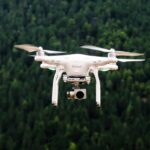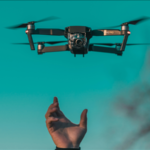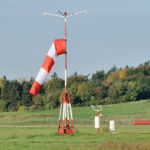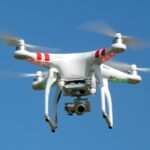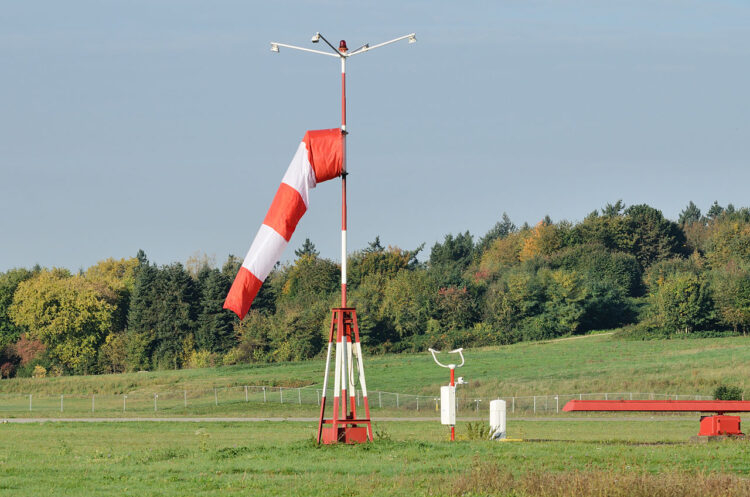
You finally got your drone. You head outside, look up at the sky, and it looks… fine. But then you launch and suddenly your drone is fighting for its life, drifting sideways, burning through battery, and scaring you half to death. Sound familiar? Wind is one of the most underestimated hazards for new drone pilots, and understanding a few basics can save your aircraft — and your confidence.
Know Your Drone’s Wind Rating — And Then Be Skeptical Of It
Most consumer drones list a maximum wind resistance spec in the manual. Here’s what you need to know about that number:
- It’s a lab number, not a field number. Manufacturers test in controlled conditions. Real-world gusts, turbulence around buildings, and wind shear at different altitudes make real flying harder than the spec suggests.
- Most hobby drones are rated for wind speeds between 20–30 mph (roughly 17–26 knots). That sounds like a lot until you realize a moderate breeze at ground level can easily be 10–15 mph stronger at 200 feet.
- Operating near the rated limit burns battery fast. Your drone’s motors are working overtime just to hold position. Flight time can drop by 30–40% in gusty conditions.
- Mini and nano drones are far more vulnerable. If you’re flying something under 250 grams, treat anything above 15 mph as a serious challenge.
The Beaufort Scale — A Simple Field Reference
You don’t need a weather station. The Beaufort scale is a quick visual way to gauge wind before you fly:
- 0–7 mph (Calm to Light Breeze): Leaves barely move. Ideal flying conditions for most drones.
- 8–12 mph (Gentle Breeze): Leaves and small twigs move constantly. Still flyable for most mid-range drones — stay alert.
- 13–18 mph (Moderate Breeze): Small branches move, dust and paper get lifted. This is where beginners should land and wait it out.
- 19–24 mph (Fresh Breeze): Small trees sway. Most hobby drones are at or near their limit. Not the day to fly unless you’re experienced.
- 25+ mph (Strong Breeze and above): Large branches move. Unless you’re flying a purpose-built commercial drone, keep it in the case.
Wind Behaves Differently at Altitude
This one catches a lot of new pilots off guard. The air near the ground is slowed by friction — trees, buildings, terrain. The higher you go, the faster the wind gets. A few things to keep in mind:
- Always check wind at altitude, not just ground level. Apps like UAV Forecast, Windy, or Weather Underground show wind at different altitudes. Use them.
- Flying near buildings creates mechanical turbulence — unpredictable swirling air caused by wind hitting structures. Give buildings more clearance on windy days than you would otherwise.
- Descending into calm air from a strong wind layer can cause your drone to behave erratically. Slow your descent and give the aircraft time to stabilize.
Warning Signs You Should Not Ignore Mid-Flight
- Your drone is constantly correcting — fighting to hold its position
- Battery is draining significantly faster than usual
- The aircraft is drifting more than a few feet when you release the sticks
- You’re getting “strong wind warning” alerts in your app
- Return-to-home speed is slower than normal on the way back
If you see any of these, bring it home immediately. The drone wins against wind right up until it doesn’t — and there’s no gradual failure. It just becomes uncontrollable.
A Few Practical Rules for Windy Days
- Always launch and land into the wind, not with it at your back. It gives you more control authority during the most critical moments of flight.
- Keep your drone closer to you in the wind. If something goes wrong, you want recovery distance. Now is not the time to push the range.
- Watch the return battery percentage carefully. Wind fighting on the way out means a harder, longer trip back. Don’t let your battery get below 30% before starting your return.
- Use sport mode sparingly — some pilots switch to sport mode to punch through wind, but it also reduces obstacle avoidance and gives you less margin for error.
- When in doubt, don’t launch. The sky will be there tomorrow. Your drone might not be.
Wind is one of those things you get a feel for over time. The more you fly, the better you’ll read conditions before you ever open the case. Until then, check your app, trust the Beaufort scale, and give yourself permission to call it a ground day. The best pilots know when not to fly.
Flying for work? If you hold or are studying for your FAA Part 107 certificate, wind awareness is part of your aeronautical decision-making. Check out our Part 107 test prep resources at 107DroneMaster.com.